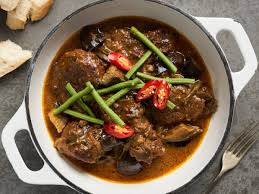
Let’s talk about Beef Kare-Kare. You know that feeling when a dish just hits differently? The kind where the sauce is so good you’re tempted to drink it straight from the bowl? That’s this recipe. A rich, nutty peanut stew features tender beef and crisp veggies. It’s perfect with steamed rice and a touch of salty bagoong on the side.
I’ve made versions of this where the sauce was too thin (disaster) or the peanut flavor got lost (bigger disaster). But after plenty of trial and error? This Beef Kare-Kare recipe gives you that rich, creamy texture found at a Filipino fiesta. No bland pots allowed here.
Why This Beef Kare-Kare Recipe Actually Works
- Double-thickening power: Ground peanuts and toasted rice give a velvety body without cornstarch.
- Beef shank or short ribs: Oxtail is good, but these cuts are better. They give a rich, gelatinous feel. Plus, you won’t have to deal with tiny bones.
- Annatto gives color, not flavor. That bright orange-red hue is natural. No artificial dyes needed.
- Layered umami: Fish sauce, sautéed garlic, and that fermented shrimp paste on the side? Pure magic.
What Exactly is Kare-Kare?
If you’ve never had it, imagine a Filipino peanut stew. But wait—scratch that, “peanut stew” sounds way too simple. It’s so much more. Traditionally made with oxtail, tripe, or beef, the sauce is where everything happens. Use ground peanuts or peanut butter if needed.
Add toasted rice to thicken the mix. Then, splash in some annatto water for a lovely sunset hue. Then you pile on eggplant, string beans, and bok choy.
The first time I tried making this, I used only peanut butter and skipped the toasted rice. The result? A gritty, oily mess that separated on the plate. Lesson learned: never skip the toasted rice.
Tools You’ll Need
Nothing fancy here. Most of this is probably already in your kitchen:
Tongs for the blanched veggies
Large heavy-bottomed pot or Dutch oven (or an Instant Pot to save time)
Fine-mesh strainer (for the annatto water)
Small skillet (for toasting rice)
Sharp knife + cutting board
Wooden spoon (for stirring—don’t use metal on nonstick)
Ingredients for the Best Beef Kare-Kare
For the Stew Base & Beef:
- 2 lbs beef shank or short ribs (oxtail works too, but cook it longer)
- 2 tbsp cooking oil (neutral like canola or avocado)
- 1 medium onion, chopped
- 5 cloves garlic, minced (I use 6 because I’m extra like that)
- 1 ½ liters beef broth (or water + 2 bouillon cubes)
- 2 tbsp annatto seeds (atsuete), soaked in ¼ cup warm water
For the Peanut Sauce (Don’t skimp here):
- 1 cup ground roasted peanuts (unsalted—you’ll add fish sauce later)
- ½ cup toasted ground rice (see tip below)
- 3 tbsp fish sauce (patis)
- Salt and pepper to taste
Vegetables (Color + Crunch):
1 banana heart (optional, but traditional—soaks up sauce beautifully)
1 medium eggplant, sliced into ½-inch rounds
1 bunch string beans (sitaw), cut into 3-inch pieces
1 bunch bok choy or pechay (napa cabbage also works)
The Non-Negotiable Side:
- ½ cup bagoong alamang (fermented shrimp paste), sautéed with a little garlic and sugar
(Reader tip: Store-bought bagoong is fine, but sauté it first—raw shrimp paste is way too funky. Trust me.)
How to make Beef Kare-Kare
Let’s walk through this. The whole process takes about 2.5 hours on the stovetop, but active cooking is only 30 minutes. The rest is just… waiting for that beef to get tender.
1. Tenderize the Beef (Low and Slow)
In a large pot, add the beef shank and cover with beef broth or water. Bring to a boil, then lower the heat to a gentle simmer. Skim off that gray foam that floats to the top (it’s just impurities). Cook for 2 to 2.5 hours until the meat is fork-tender and almost falling off the bone.
Instant Pot shortcut: Pressure-cook on high for 45 minutes, then natural release for 10 minutes.
The smell here? Warm, meaty, and slightly sweet from the marrow. You’ll know it’s ready when a fork slides in with zero resistance.
2. Make That Annatto Water (Super Simple)
While the beef cooks, soak the annatto seeds in ¼ cup warm water for 10 minutes. The water will turn a deep brick red. Strain the seeds out and set the liquid aside—noweird taste—just color.
3. Toast the Rice (Don’t Burn It)
In a dry skillet over medium heat, add the uncooked rice. Stir constantly for 3-4 minutes until it’s golden brown and smells like… well, toasted rice. Grind it into a fine powder using a spice grinder or mortar and pestle. Set aside.
4. Sauté the Aromatics
In a separate large pot or the same one you’ll use for the sauce, heat 2 tbsp oil. Sauté garlic and onion until soft and fragrant—about 2 minutes. The kitchen should smell like a cozy Filipino kitchen right about now.
5. Build the Peanut Sauce
Add the ground roasted peanuts and the toasted rice powder to the pot. Stir for 1 minute. Then pour in 2 cups of the beef broth from your cooked beef (strained). Add the annatto water and fish sauce. Whisk continuously to avoid lumps—because nobody wants lumpy peanut sauce.
Let this simmer for 5-7 minutes. It’ll thicken noticeably. Taste it. Add more fish sauce if needed, or a pinch of salt.
6. Combine Beef + Sauce
Transfer the tender beef shanks into the peanut sauce. Let them swim in there for another 10-15 minutes over low heat. The sauce will cling to every crevice of the meat. Perfection.
7. Blanch the Vegetables
Bring a separate pot of water to a boil. First, drop the eggplant slices for 2 minutes. Then add the string beans for another 2 minutes. Finally, toss in the bok choy for 1 minute, just until it’s bright green. Drain each and set aside. Don’t overcook—you want that slight crunch against the creamy sauce.
8. Assemble & Serve
Arrange the beef in a deep bowl or traditional palayok (clay pot). Ladle the thick peanut sauce all over. Top with the blanched veggies in little bundles. Serve immediately with a side of sautéed bagoong and lots of steamed rice.
What to Serve With Beef Kare-Kare
- Steamed jasmine rice – mandatory. The sauce is practically a gravy.
- Atchara (pickled papaya) – cuts through the richness like a bright little zing.
- Calamansi or lemon wedges – a squeeze right before eating brightens everything up.
Storage & Freezing
Refrigerator: Store in an airtight container for up to 3 days. The sauce will thicken overnight (that’s the toasted rice working its magic). Reheat with a splash of broth or water.
Freezer: Freeze for up to 2 months. But here’s the catch—the vegetables won’t survive thawing. They’ll turn to mush. So, freeze onlyonly he beef + sauce. When you reheat, blanch fresh veggies.
Note from the kitchen: I once froze a whole batch with the veggies still in—big mistake. Mushy eggplant is sad eggplant.
Variations to Try
- Oxtail Kare-Kare: The original. Richer, more gelatinous. Cook oxtail for 3+ hours.
- Seafood version: Swap beef for prawns, mussels, and squid. Cook the seafood in the sauce for just 5 minutes.
- Vegetarian: Use firm tofu and mushrooms. Replace fish sauce with soy sauce or coconut aminos.

Beef Kare-Kare Recipe
Ingredients
Method
- In a large pot, cover beef with broth. Bring to a boil, then reduce to a gentle simmer. Skim off any foam. Cook for 2 to 2.5 hours until fork-tender.
- *Instant Pot shortcut: 45 minutes on high pressure + natural release.*
- Soak annatto seeds in ¼ cup warm water for 10 minutes. Strain. Set aside the red liquid.
- In a dry skillet over medium heat, toast uncooked rice for 3–4 minutes until golden brown. Grind into a fine powder.
- In a separate pot, heat oil over medium heat. Add garlic and onion. Cook for 2 minutes until soft.
- Add ground peanuts and toasted rice powder. Stir for 1 minute. Pour in 2 cups of beef broth (strained from the cooked beef), plus annatto water and fish sauce. Whisk continuously for 5–7 minutes until thickened.
- Add the tender beef shanks into the peanut sauce. Simmer for 10–15 minutes over low heat.
- In a separate pot of boiling water, blanch eggplant (2 minutes), then string beans (2 minutes), then bok choy (1 minute). Drain.
- Arrange beef in a deep bowl. Ladle sauce over the top. Arrange blanched veggies on the side. Serve immediately with sautéed bagoong and lots of steamed rice.
Notes
Frequently Asked Questions
Oxtail is traditional. Beef shank and short ribs also offer a fall-apart texture, but without the small bones. Tripe works too if you’re into that chewy texture.
Yes—smooth, unsweetened peanut butter is a convenient sub. But roasted ground peanuts give a deeper, more authentic nutty flavor. (I’ve used both. Peanut butter is fine. Fresh roasted is better.)
Because the stew itself is mild, creamy, and almost sweet, the bagoong adds that salty, funky, umami punch that balances everything. Don’t skip it.
Absolutely. Kare-Kare tastes better the next day—the sauce thickens, and the flavors get deeper. Just wait to blanch the veggies until you’re ready to serve.
Your Turn
Have you ever tried making Filipino peanut stew at home? Or maybe you grew up eating it at family parties? Drop a comment below—I’d love to hear your favorite veggie to add (or if you’re team oxtail vs. beef shank). And if you give this Beef Kare-Kare recipe a shot, let me know how that peanut sauce turns out for you. Happy cooking

1 thought on “Beef Kare-Kare Recipe: The Only Filipino Peanut Stew”