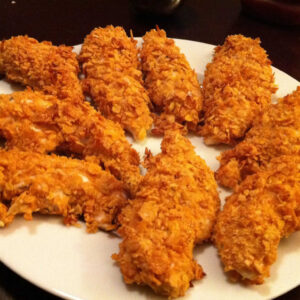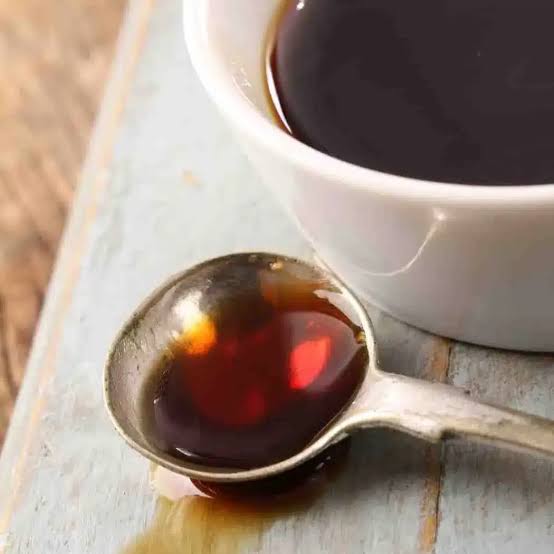
Have you ever stood in a grocery aisle? You look at bottles of soy and teriyaki sauce, tempted to grab either one just to be done. I have been there too, making that mistake more times than I care to admit. I’ve used teriyaki when I should have picked soy, and vice versa.
These two sauces look similar in the bottle. Both are dark, savoury, and have an undeniable deliciousness. The difference between teriyaki sauce and soy sauce goes beyond the name. Understanding these distinctions will help you choose the right flavours for your dishes.
Let’s break it down. I promise – by the end, you’ll know which one to choose for stir-fries, glazes, marinades, and more.
Why This Breakdown Matters
- You’ll never confuse the two again
- Your dishes will taste balanced — not too salty, not too sweet
- You can adapt recipes that call for one option or the other with confidence.
- You’ll save money by using the right sauce the first time
What Is Soy Sauce, Anyway?
Soy sauce is a staple ingredient with a history spanning over 2,000 years. It began in China and spread through Asia, becoming different regional types. Examples include Japanese shoyu, Korean ganjang, and Indonesian kecap manis. Each has its own characteristics, but they all share a common foundation.
The base ingredients are simple: soybeans, wheat, salt, and water. Fermentation makes a complex final product. Soybeans and wheat join with special molds and bacteria. These ingredients break down, creating that deep, funky umami flavour we all love.
Flavor Profile
Soy sauce hits you with saltiness first. That rich, savoury umami comes in, with a hint of bitterness from fermentation. It’s thin, watery, and blends seamlessly into everything from soups to stir-fries. It’s a building block — a foundation.
Common Uses
- Seasoning for stir-fries, rice, and noodles
- Dipping sauce for sushi and sashimi
- Base for broths (hello, miso soup)
- Marinades for meats and veggies
- The backbone of countless sauces
(Reader tip: Keep bottles of both light and dark soy sauce in your pantry. Light is saltier and thinner; dark is richer and less salty — perfect for color and depth.)
What Is Teriyaki Sauce?
Now, teriyaki sauce is a whole different beast. It comes from Japan, but it’s much younger than soy sauce. The word “teriyaki” refers to a cooking method. “Teri” means “shine,” and “yaki” means “grill.” So we’re talking about a glossy, grilled glaze.
The ingredients? Soy sauce is the star, sure. But then you add sugar or honey, mirin (that sweet rice wine), and often garlic and ginger. The result? Thick. Syrupy. Sweet. Tangy. It’s designed to coat, cling, and caramelize.
Flavor Profile
Sweetness hits you first — from sugar or honey. Then savory from the soy sauce, with a tangy kick from mirin. It’s rich, complex, and absolutely irresistible on grilled proteins. It’s not a seasoning; it’s a showstopper.
Common Uses
- Glazing salmon or chicken
- Coating beef skewers
- Drizzling over teriyaki bowls
- Stir-fries with that sweet-savory punch
- Dipping sauce for dumplings (though I’d argue it’s not traditional)
The first time I made teriyaki salmon, I used way too much. The fish was swimming in syrup. Lesson learned? A little goes a long way — it’s a glaze, not a marinade bath.
Key Differences: A Side-by-Side Comparison
Let’s get specific. Here’s the breakdown of what really sets them apart.
| Feature | Soy Sauce | Teriyaki Sauce |
| Origin | Ancient China | Japan |
| Base Ingredients | Soybeans, wheat, salt, water | Soy sauce, sugar, mirin, spices |
| Flavor | Salty, umami, slightly bitter | Sweet, savory, tangy |
| Texture | Thin and watery | Thick, syrup-like |
| Primary Use | Seasoning, dipping, marinades | Glazes, marinades, coatings |
| Shelf Life | Long-lasting (fermented) | Shorter, especially after opening |
If you use teriyaki sauce in place of soy sauce, you’re adding sugar to a dish that probably doesn’t need it. That stir-fry? Suddenly sweet and sticky. Not ideal.
If you use soy sauce in place of teriyaki, you’ll miss that glossy, caramelized finish. Your chicken won’t have that visual appeal, and the sweetness will be absent.
But Wait — Can You Make a Substitute?
Yes. Soy sauce is the backbone of teriyaki, so you can whip up a quick homemade version by adding a few pantry staples. Here’s my go-to ratio:
- ½ cup soy sauce
- ¼ cup honey or brown sugar
- 2 tbsp mirin (or rice vinegar in a pinch)
- 1 garlic clove, minced
- 1 tsp grated ginger
Mix it all together, and boom — you’ve got a passable teriyaki. It won’t be exactly the same, but it’ll give you that sweet-savory kick.
Nutritional Comparison
If you’re watching your salt or sugar intake, this matters.
Soy Sauce (1 tablespoon)
- Calories: ~10
- Sodium: 900 mg
- Sugar: 0 g
Teriyaki Sauce (1 tablespoon)
- Calories: 20–25
- Sodium: 600–700 mg
- Sugar: 3–5 g
Soy sauce is lower in calories and sugar but packs a sodium punch. Teriyaki has less sodium but more sugar and calories. Moderation is crucial for both. This is especially true if you watch your blood pressure or sugar levels.
How to Use Each Like a Pro
Soy Sauce
- Stir-fries: Add at the end to avoid burning. It’s thin and evaporates fast.
- Soups: A splash adds instant depth. (I always add a dash to my ramen broth.)
- Marinades: Soy sauce soaks into meat well, but don’t marinate too long. Thirty minutes to a few hours is enough.
- Dipping: Pair with sushi, gyoza, or spring rolls.
Teriyaki Sauce
- Glazing: Brush it on during the last few minutes of grilling or broiling. It’ll caramelize and get all sticky and gorgeous.
- Marinades: A few hours max. The sugar can burn if left too long.
- Stir-fries: Add near the end to coat everything evenly.
- Dipping: For dumplings or spring rolls if you want a sweeter twist.
Cultural Context
Soy sauce is a cornerstone of many East and Southeast Asian cuisines. It’s in almost every dish, every home, and every meal in these regions. It’s a daily essential, like salt in Western cooking.
Teriyaki sauce? That’s a different story. It’s heavily associated with Japanese-American cuisine. In fact, it features more on Western restaurant and takeaway menus than in Japanese cooking. It’s a fusion favorite, a sweet-savory bridge between cultures.
My Biggest Mistake (and What I Learned)
The first time I made teriyaki chicken, I treated it like soy sauce. I poured a ton into the pan, let it simmer, and ended up with a sugary mess that burned onto the pan. The chicken was tough, the sauce was bitter, and I was frustrated.
Wait, scratch that — bake at 375°F. But keep the sauce on low heat to caramelize without burning. Now I brush it on at the very end, under the broiler, for just a minute or two. It creates a perfect glossy finish every time.
Storage & Shelf Life
Soy Sauce: This seasoning has a shelf life that lasts for an unusually long time. The fermentation process makes it highly shelf-stable. Keep it in a cool, dark place, and it’ll stay good for years. High-quality soy sauce stays tasty and safe even after the best-before date. Just store it correctly.
Teriyaki Sauce: Once opened, it’s more unstable. Fresh ingredients like garlic and ginger mean it can spoil faster. Keep it in the fridge after opening and use it within a few months. If it starts to smell off or separate, toss it.
I always label my bottles with the date I open them. This simple habit saves me from guessing how long they have been in the pantry or fridge.
FAQs
Not exactly. Teriyaki mainly uses soy sauce, but it also includes mirin, sugar, and often garlic and ginger. It’s a distinct sauce with a specific purpose — glazing and coating.
It depends on your priorities. Soy sauce is lower in calories and sugar but higher in sodium. Teriyaki contains more sugar and calories, but it is lower in sodium than regular soy sauce. So, it’s important to watch your part sizes. If you’re watching sugar, go with soy.
I wouldn’t. Fried rice needs that salty, savory punch from soy sauce. Teriyaki will make it too sweet and sticky. Stick with soy for fried rice.
Yes! Many brands offer gluten-free soy sauce (made without wheat) and gluten-free teriyaki sauce. Always check the label. Tamari is a great gluten-free alternative.
Your Turn
So, now that you know the difference, which one will you reach for first? Are you team savoury soya or sweet teriyaki? Drop a comment below – I’d love to hear how you use these sauces in your kitchen.
And if you’ve ever made a swap that turned out to be a disaster (or an unexpected success), share that too. We’ve all been there. Happy cooking